Monday, February 27, 2012

Finished rebuilding the withy ring again


Withy Ring 

I have finished rebuilding the withy ring again, with the help of my wife and kids this weekend, even my three year old son was down and wanted to help dig. Many hands make light work and we got holes dugs, piled in the manure, planted the willow. All done in  less than an 1 hr. All good, and they're well protected, from rabbits this time anyway. We still have at least one from the original circle. Thirteen in a nice circle and I may put in more over the next couple of years, let see. The picture was taken from a mobile phone its not the best.

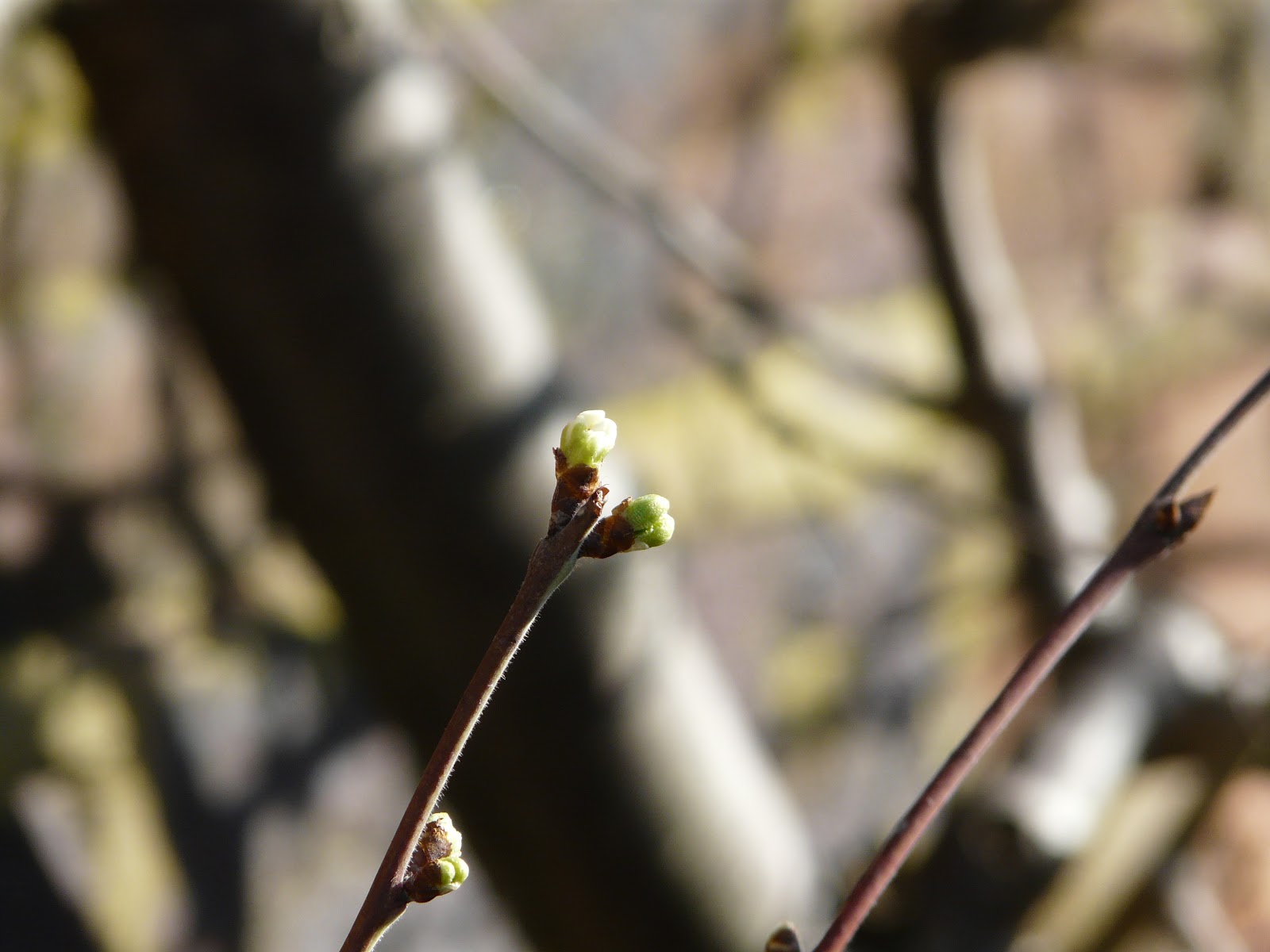
The reports in the news have been about how this year looks likes its going to be a very dry year and so far it seems to be true. I can't remember a February this warm. The trees are doing well and it looks like the Quince trees may be the first to go into blossom this year. The buds are already showing a hint of yellow. However lets wait and see in a couple of weeks.

Small amounts of rabbit damage on a couple of low branches. but generally all well. I may get some more manure from the diary farmer to put around the trees again as the manure has already been sucked down and decomposed into the soil. The manure contains lots of straw and that should retain water, with some additional leaves acting as a mulch. Which may be useful if its going to be a dry year. I have to start planning a head, in case it gets very dry later in the year. I have access to a bore hole and I should be able to give each tree some water probably in the evenings, later in the year. I may have to call in help from friends and family.
Two Bumblebees found in this week
The bees are happy and are flying in and out of the hives and I have see a number of bumblebees around they must be hungry as two managed to get into my kids bag  which contained apples that they like to feed the horses, in the paddock nearby. This is worrying as its only February and I won't expect them out and about this time of year. They must be finding it hard to locate pollen and food for themselves.

Damson Merry Weather King Buds 
I visited Sandwell Valley farm and park over the weekend with the kids. The farm have a great walled garden with loads of fruit trees and I noted that the Damson Merry Weather King looks like it may go into bloom fairly soon.

Monday, February 20, 2012

Withy ring and home made rabbit guards

3 Ladybirds picture taken by my daughter
I helped mend the fencing and assist with the general apiaryclear up at the Sutton Coldfield branch apiary last weekend, in Sutton Park. Itwas great fun, and not as much hard work as I had envisioned as lots ofbeekeepers turned up to help.

I got a ride in the Rangers landrover going cross country tocollect some of the equipment and it was still icy and snowy so going crosscountry in the 2000 acre park was something most people don't get to do. Theyalso hold part of the RAC rally car championships through the park every coupleof years. So it was fun. Talking to ranger was also enlightening; the ranger whowas assisting has been working in the park for 30 years and is the only rangerthat hasn't got a degree in some related topic. He told me how things havechanged and some of the challenges that he faces, and it was his first time inthe Apiary area. I told him to come down in the summer on one of the Tuesday eveningsand come into one of the hives.

Witout the new guards
Later in the week I started putting up more of the rabbit guardsaround the fruit trees as some of the trees had suffered minor damage. Therabbit guards are larger and homemade; compare to the suff that was originally there.They are made from some plastic fencing that I have cut to fit around the treeswith the aid of a bamboo cane, let’s hope it works well. As its half term I hada helper my daughter.

I think she really enjoyed it this week I gave her the task to take some pictures and look for ladybirds. She took the picture of the tree ladybirds together. On that tree we found 5 ladybirds, not bad.

With new guard
We managed to get a fair few done, although it may take acouple more weekends to finish all the trees and in truth I started it sometime ago, before the manure arrived, and am only getting round to finish thework, so I have been a bit lacks about it.

I also have some rabbit guards that are higher but will combine them with the homemade one's just to add extra protection. The new guards are pretty basic and are higher than some of the original rabbit guards and should last for a while and give an extra bit of protection
Withy Willows
I also managed to plant a couple more willows, in the willowcircle "ring" I started a couple of years ago. I hadn't protectedthem well and the rabbits demolish most of them so this time I have protectedthem much better. I got a couple of large withy’s and have planted them and amhoping that they take, if they do, the in a couple of years I'll have a willow Stonehenge where I'm hoping kids,family and friends will be able to play, sit and relax, chat and watch theworld go by. I kind of want the willows to merge together so that all the treesmake a nice interwoven shelter, let’s hope it works.

Tuesday, February 7, 2012

Yeah the snow is finally here


Its been cold which is great, kills off the nasty bugs. Now the snow is here its even better.  It does look like its not going to stay, contrary to some of the newspaper headlines, that proclaim a continued freeze.

I have checked on the trees and they are fine, some rabbit damage but nothing major. I will be putting up large better home made rabbit guards as soon as I have the time. The ones that I had made and put up previously have worked marvelously. It just takes time and next week if the weather is fine, I should be able to do the majority of them. I'm just recycling some old fencing.

On one hand I want the cold and on the other I want it sightly warmer to get some work done, but them I'm sure the bees would also like a warm day just to go out have a buzz around and well go for a poo.

The ground needs to be warm so that the bamboo cane can go into the ground, and deep enough for the rabbit guard to stay in place. It would take a couple of hours, but its time well spent.

I am starting to think about planting some additional willow trees using just freshly cut twigs "withy". I had put some in a couple of years ago about this time of year, a couple of them have done well. Some of them had been gnawed by rabbits and died. This time I'll clear some space and then put in better rabbit guards.

I made some notes on the subject a couple of years ago and have reread them, the notes were from a leaflet I read on the subject.

Willows

Planting new Willows consider the following :

  • Using cutting taken from local stock will preserve local varieties of willow. Its cheap and easy to take cutting from local trees.
  • With luck your tree will be in residence for a long time, so choose its position carefully. Think about how big it will be when mature and consider the shade it will cast.
  • Don't plant willows near buildings, or where the roots could reach a water pipe.
  • Think before planting close to ponds, large numbers of dead willow leaves falling into the water can be harmful to fish & other aquatic life.
  • You must obtain permission from the Environment Agency before planting a tree next to a stream.
  • Plant in January/February when the soil is wet but before leaves appear on the trees.

Steps to take 

  • Take cuttings about 2.5 cm think at the base and plant in moist soil in a prepared hole about 4/5 cm deep where the tree is to grow
  • Don't just shove them into the ground, it will damage the cut end and lead to infection.
  • Water well in dry summers.


Tuesday, January 31, 2012

Each tree now has had at least 1 wheelbarrow of cow manure.


Orchard with the brown fences removed and all trees having received 1 barrow of manure
I finished putting manure on the trees it’s only taken eight weeks. It was hard work, just me a garden fork and a wheelbarrow. A couple of people did say they would help but because of weather and Christmas it just hasn’t been possible to organise people, tools etc.

But it’s done just in time for the snow, hopefully this week.  The reasons for me to use cow manure.
  •         Adding nutrients to the soil, instead of using chemical products. It’s also much cheaper.
  •          I can add it directly to the soil, unlike horse manure.
  •          The straw in the manure will also hold water and then release it back. Additional weight pushing the tree roots down.  (In case its very windy and preventing the wind blowing over the tree).
  •          The additional manure should keep the root ball warm. (Will this help - ?)

I have noted that some of the manure, which I originally put down, has been sucked into the ground already.
I have also removed, most of the brown fencing that was around many of the remaining trees. This was so I could get the manure into place and also to physically remove weeds, which had built up on the inside of the fencing.  I have noted as you may have from the pictures over the past couple of years that ladybirds love this fencing and its makes it much easier to find them. I hope that they will still around in good numbers around the orchard but we shall see. If I see reduced number I still have the fencing I will put it back in place.

I may build an insect hotel perhaps later in the year, but part of me only wants to attract insects that would be beneficial to the orchard. In reality all the insects would be good they would attract other insects and perhaps other mammals or even a couple of reptiles.

No chance of checking on the bee’s its way to cold.

I have learned loads about worm cast over the week. The stuff is great for the orchard or any garden. Its Organic, stuff and full of nutrients. I will create a blog entry on this topic soon.

Wednesday, January 25, 2012

Bee Lecture January 2012


Sutton Beekeepers Question time

This month's lecture for Sutton Bee Keepers was a Question and Answer session similar to Radio 4's Gardeners Question time. The bee keeping panel were 3 bee keepers from the Coventry branch of the Warwickshire Bee Keepers association. The Coventry branch is based at Ryton Gardens, home of Organic Gardening "Henry Doubleday Research Association". The association has had a number of problems over the past few years with European Foul Brood (EFB). European Foul Brood (EFB) is a disease which if found you must notify Defra and they send in National and Regional Bee inspectors to investigate the cause and to take measures to kill off the virus.

Question 1 - How will GM crops affect us? 
The panel said if the government legislation changes and allows more GM crops to be planted then the public would lose confidence in British honey. The EU government wants to restrict honey sales of honey found to contain high levels of GM pollen.

The entire panel were against GM crops and some state that when GM crops were planted in test areas it created a huge amount of fear from the public. 

My personal thought is it would be good for British bee keepers if the British government were to maintain the ban on gm crops. The British public would have more confidence in honey and honey produce. Random testing of pollen from British honey would help to locate rogue farmers or even members of the general population which have GM crops or plants.

Some time ago Farming Today another Radio 4 program had an article about how the EU was going to ban honey which contains GM pollen. This would be beneficial for British Beekeepers in theory as Britain has so few GM crops. It would even make British honey, more attractive to the rest of the world. I see problems with this as well though; increasing demand would not be good especially if you’re a bee.
In the US many honey producers and importers heat and filter out the pollen so that it's difficult to tell where the honey originated from. This is something I learned from the Food Program yet another Radio 4 program. This means that all the goodness of the pollen is removed. The guy in the program was arguing that it’s no longer technically honey. One reason for this is to ship in cheap honey from China and India (whose honey is banned in the UK) then heat it and filter out the pollen, so that all the pollen is removed then bottle it before selling it. No one can then tell where the honey is from then as it’s the pollen from plants indigenous to India or China that mark it out, and can help in tracing it back to source.

Question 2 - Is it worth buying new frames each year

The entire panel was unanimous you should change your frames each year. One alternative was to give them a deep clean with a soda wash. You should also replace the wax comb every year.

This for me this was eye opening. I have over the past few years only replaced the wax comb and not the wooden frames. I will be replacing all the frames this year. I do buy new frames every year but normally to expand the number of colonies. 

The reason to change them every year is to reduce any disease or viruses within a hive or colony. This process would involve physically removing any contaminated bees wax and the wooden frames that hold the bees wax in place. It makes perfect sense to me; I don't understand why it hadn't occurred to me before. I normally just replace the wax and keep the frames giving them a rough scouring. 

Some particles may remain on the bees themselves but they can create a new environment that is clean and fresh. From a superfluous point of view it also looks better, and makes it easier to find bee eggs. They show up better on new wax comb as the wax is translucent and eggs are visible when the frame is held up to light. Some varroa mites would still get through this process though as they tend to latch onto bees and suck the life out of the bees, you could sprinkle icing sugar on the bees forcing them to clean themselves and in the process dislodging the mites.

All this would help in maintaining a healthy hive and trying to reduce the risk of European Foul Brood.

Question 3 - Best method to stop swarming

Most of the bee keepers just them get on with it and considered swarming a routine issue, once swarming had occurred they had become proficient in collecting the swarms and then either merge them together or starting new colonies.

A method of swarm control that was published in the April 2002 in an edition of Bee Craft was mentioned by a member of the panel who has been a Beekeeper 30+ years stated that it works and recommended it. I am attaching pictures of the method from that edition to explain the method. That's probably better than me trying to explain it.

Question 4 - If you had 5 bee hives and located a swarm how would you determine from which hive they came from

The panel would look inside each hive and see which had less bees or attempt to lift all the hives and the one that was lightest would probably be where the swarm came from.

Question 5 - Can the temperament of a colony be changed?

The entire panel said yes the temperament of a hive can be changed and gave examples and techniques for requeening. If a colony attacks you or if they regularly sting you then locate the queen and remove her and replace her with another queen from a more dorsal colony. You can obtain a new queen from another colony or let the hive create new queen cells. They also gave advice if placing a new queen into the hive. This included removing workers from the queen cage before going to the hive. The panel also gave suggestions and methods of disguising the new workers and the queen by spraying bees with rose water or placing the queen into your mouth and covering her in saliva and the spitting her into the hive. You would only do this with the Queen or a male bee as they will not sting you. You would never do this with a worker bee as if they stung you on the inside of your mouth or on your tongue you would be in trouble. The swelling would mean that you may not be able to swallow and breathing may also be difficult, and a trip to A&E may be on the cards.

Question 6 - If you could be a Bee keeper anywhere where would you be one, and why?

Madeira - It’s beautiful and the bee keepers paint the hives in the same colours at the national flag. According to the bee keeper the first time she saw bee’s hives in a valley while on holiday in Madeira she fell in love with the place and wanted to be a bee keeper in Madeira.

Tasmanian - The leather wood forests would be a great place to be a bee keeper and the honey would be delicious.

Anywhere - that produces Acacia honey and the bee keeper could present and server on the comb

They all sounded marvellous to me, but in truth I'm happy with my hives in my own small orchard just north of Birmingham.


The article is very old and as you can see  the bees wax etc is very dark making it unhygienic for bees that why modern practices would replace the wax with fresh sheets which the bees would then build on. You would then have a loving fresh comb.  which looks nothing like  these pictures but I will take a picture later this year and try and show you what it's like. Bright, clean fresh and it has a nice aroma too.


Monday, January 23, 2012

Warmer Weekend


This weekend was far warmer than last. I check on the trees all seem fine though I have noted a little more rabbit damage to one of the trees.
Old branch gnawed by rabbits
I have also seen that the rabbits have been gnawing some of the dead wood and have made a good attempt and are getting through it.

This week I have also seen a large number of worm casts around the place. Some as large as 10cm's in diameter and others much smaller. I don't know much about worm casts but will try and do some research on the subject, over the next couple of days.
Large worm cast
What I'd like to know is why they create them. I know that it improves the soil and give an indication that the soil is rich in nutrients. Why else would worms want to stay in any location where the land is contaminated. They would just have to move on to the next field etc.

Tuesday, January 17, 2012

Frosty


Frost on a bark of tree

It has been a cold weekend. As I went down to the orchard the car thermometer said it was -2.5. I walked around the orchard and was looking specifically for rabbit tracks and ladybirds.
Ladybird on a dead weed
I didn't really see any fresh rabbit tracks. They are smarter than I and probably watching me thinking "what's that fella doing walking around in this cold weather, I've got a fur coat on and I'm not going out in the cold".
Frosty Grass Crispy not Crunchy
Buds covered in frost
However I did spot over 10 ladybirds. Which is good news, I'm not sure what ladybirds eat this time of the year but I'm hoping they will survive the cold and prosper in the spring, then will eat any aphids that are around in spring.

Trunk of a tree cherry tree
No point disturbing the bees this weekend and one shouldn't even bother going into a hive if the temperature is below 5 degrees. They should be huddled together keeping warm and the bees should still have enough food for a couple more months, they must forage for themselves in the spring which should mean the trees get pollinated. Thankfully I checked on them last week and topped up the fondant, they were fine.

Trunk of tree covered in frost
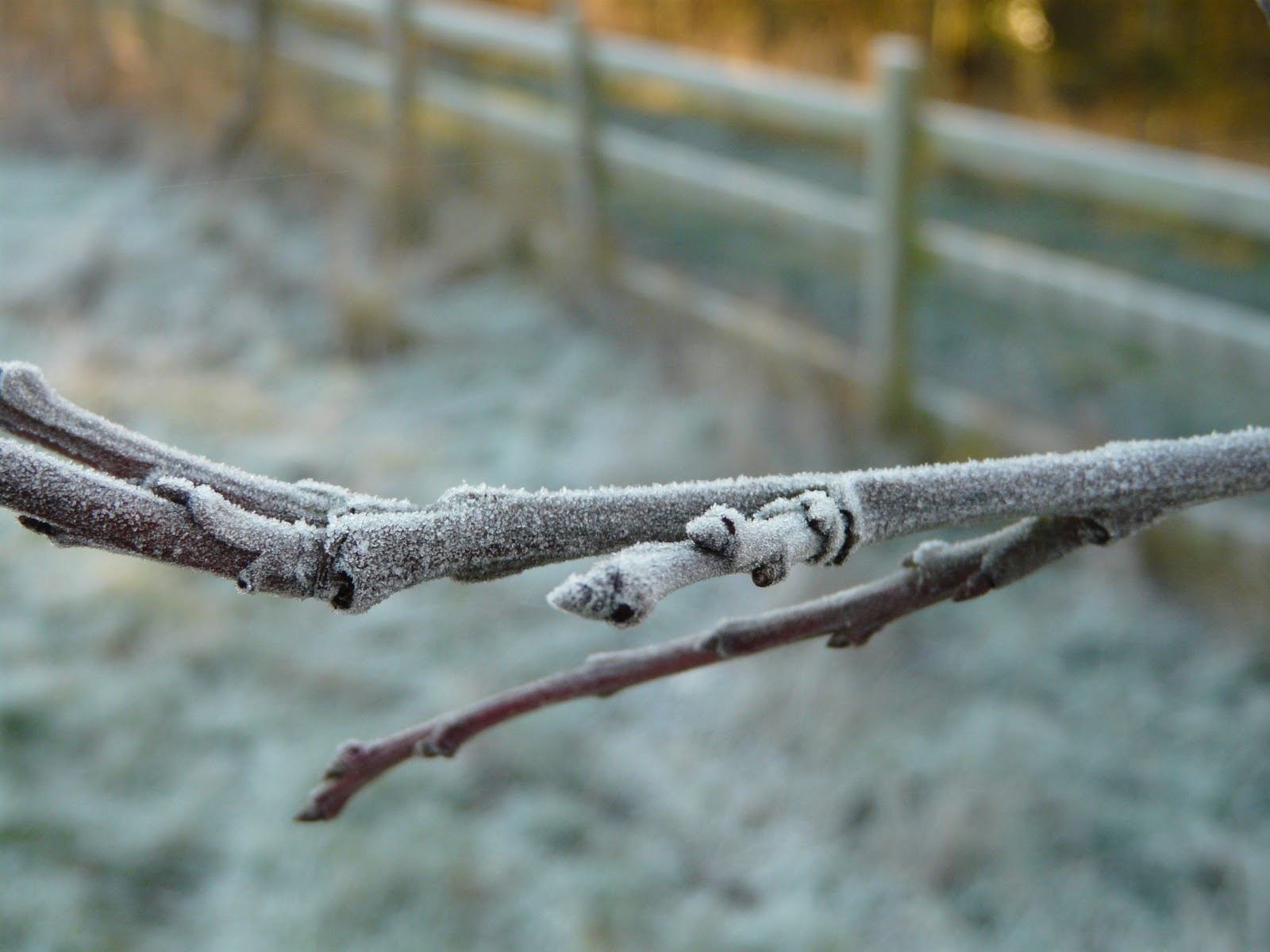
Walking around on a frosty morning is something I would recommend its crispy not crunchy like with fresh snow. This week it was bitterly cold and lovely and quiet, I could hear birds singing and it wasn't windy, which makes it more bearable. It also changes so quick; so that as the sun comes up things start to change. colour's for one, the pale white disappears and true colours appear. If you look carefully the colours are generally darker as the soil branch or whatever has been touched by the frost is left a little damp or naturally moistured. The sun reflects the light well off the frost and as its rays reflect the light the rays slowly melts the frost away. If the frost is really good you can see the pretty shapes and angles like tiny crystals on the grass and branches and even on the buds. I have taken a couple of pictures of frost touched branches and even the grass which I hope you will like.

Branches and Buds covered in frost
I have planted a evergreen tree which was given to me it was a living Christmas tree. Evergreens are good for bees. Bees make propolis from them that's the stuff they use to clean the inside of the hive with and stick everything together, its also anti bacterial. The tree is probably a couple of years old and a welcomed new arrival. It took a while to get it planted as the ground was frozen, and it was definitely to small for the pot it came in. Now it has lots of room to spread and grow. I hope it thrives.